Training & Development
In this category of my portfolio, I am providing a sample of work related to leadership training and development. This work tends to either be very specific, proprietary, or confidential, so this really isn’t about the specific training itself. Mostly, I’m looking to communicate its impact and the potential of this type of work to drive growth and change.
Empowering Strategic Marketing Led Innovation
This project was implemented to address a gap created by a new corporate expectation that product innovation is led by Marketing.
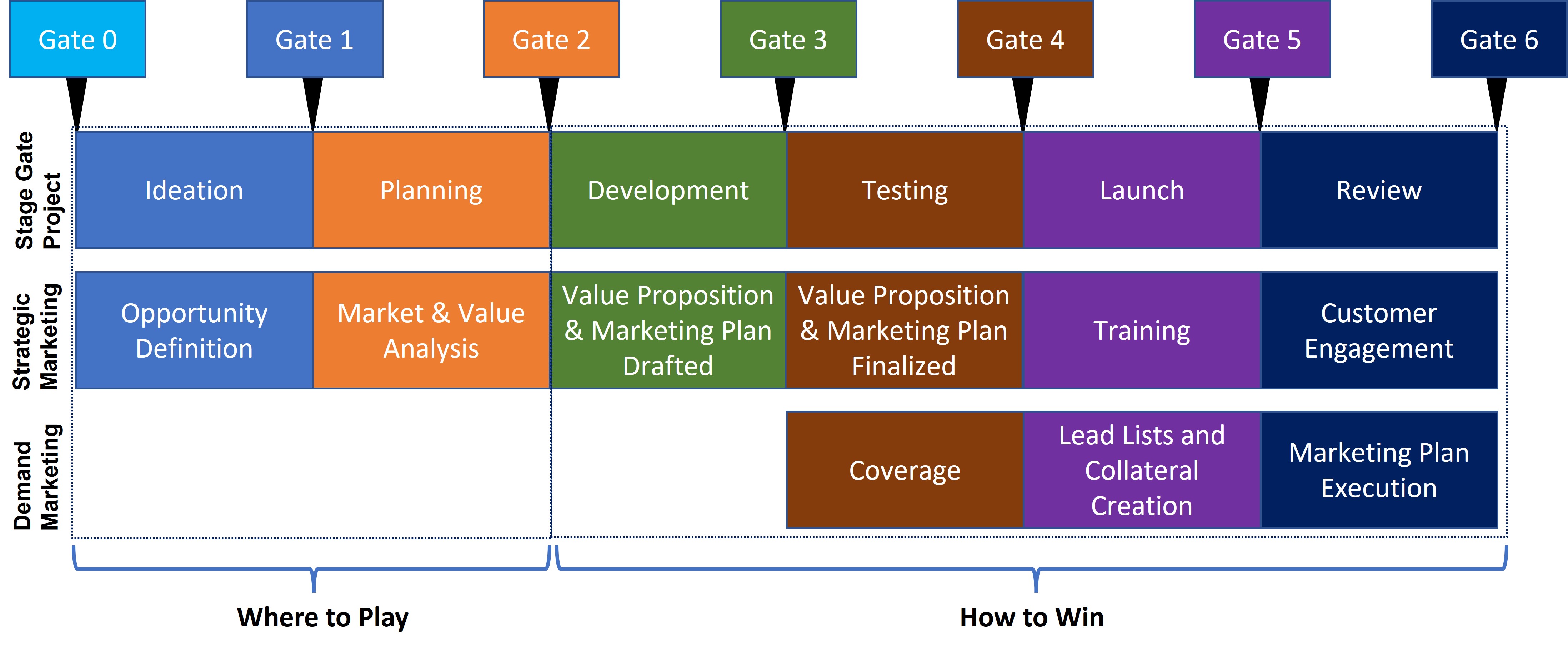
This project was for a business seeking to transition from product-focused innovation to marketing-led innovation. The implementation teams, Marketing included, viewed Marketing’s role as running a marketing campaign at launch. Marketing did not have training in the Stage Gate process for new product development. Quite naturally there was also a fear of and resistance to change. If nothing changed, the outcome would have been bad for Marketing, bad for the Implementation Teams, bad for senior leadership, and bad for the company’s bottom line.
This training project structured the training in such a way that Marketing was engaged, involved, proactive, confident, and ready to contribute to the innovation process in a fuller capacity.
This Marketing Training course was a 3 part series designed to shift the mindset of an organization to marketing-led innovation and to prepare marketing managers to create deliverables within their innovation project implementation teams using new innovation management software.
- Responsibilities: Instructional Design, Content, Training, Train-the-Trainer
- Target Audience: Marketing Managers (grouped as Strategic Marketing and Demand Marketing)
- Tools Used: Microsoft PowerPoint, Screen Capturing Software
Marketing teams received Stage Gate training by creating their own framework, managing processes, tools, and deliverables. Only after establishing this level of alignment did we move forward on hands-on training through job-specific scenarios. This approach resulting in a deep understanding of the change, a level of comfort with using the tools, and a sense of ownership.
- Gain alignment and support from senior leadership – Asked Marketing VPs to support the project by appointing Marketing team members to participate in a Marketing task force.
- Marketing task force vets and refines a conceptual model describing the role of Marketing in parallel to technical development in new product development. This was established as Part I of the training.
- Marketing task force defined deliverables. This includes how to differentiate Strategic Marketing from Demand and Communication Marketing and how to structure a template to guide implementation teams to meet the expectations of the Product Council during project reviews. This was Part II of training.
- Create hands on, scenario-based training and presented to Task Force to refine the training. This was Part III of Marketing training.
- Schedule and implement training globally.
Transitioning to Evergreen Strategy Management
The purpose of this training exercise was create and implement product strategies within all of the categories of a strategic business unit (SBU). The fact that this exercise encouraged product managers to build or demonstrate strategic thinking and that the work created value resulting in an evergreen approach adoption was an additional benefit.
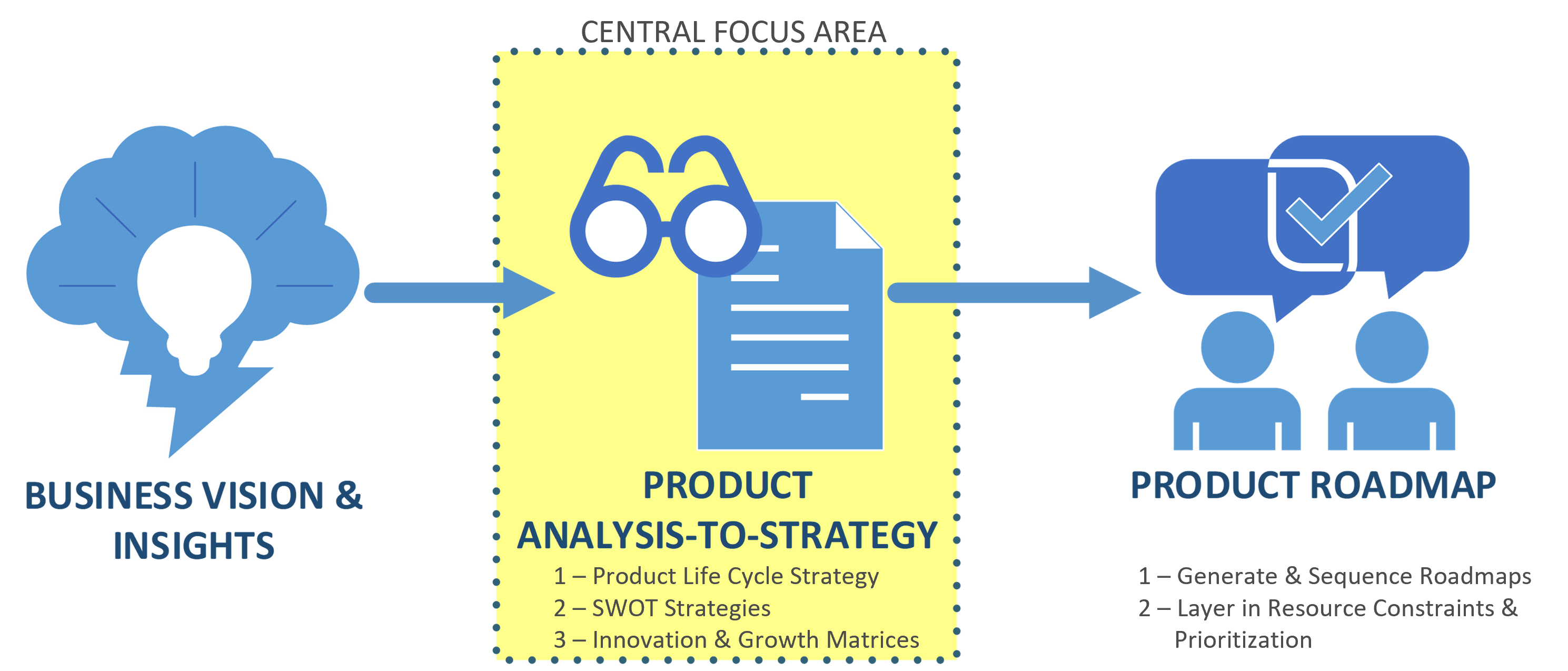
A PowerPoint template was crafted to enable Product Managers to quickly create and maintain strategic product plans. The template also served as a training document for self study and training sessions to help communicate how to approach the content.
- Responsibilities: Trainer, Training Developer, SME
- Target Audience: Product Managers and Product Directors
- Tools Used: PowerPoint
The developed and delivered this training for product managers across different product lines.
- Initially, the use was to provide quarterly updates as team meetings.
- When the team came together, I learned that the following: (1) The director valued the reporting because it helped to enable him to quickly respond to ‘fire drills’ by his senior leadership – often without needing to confer with members of the global team. (2) Product Managers found that the document helped to align members of their cross functional teams.
- After a year of quarterly updates, the team voted to continue to use this framework for reporting instead of the normal process – which was to create a new 3-year plan annually – thereby creating an evergreen strategy that was actively used to align the team, define the work, and to report the results.
Previously, strategic plans were a non-value added exercise of pulling together information to create charts and graphs. This training template was designed to transition business insights into actionable strategies. Walking trainees through this thought process enabled them to think beyond the day-to-day and to quickly craft a message supported with facts and data that they could evangelize and build support for.
Mentor Coaching for Personalized Learning Experiences

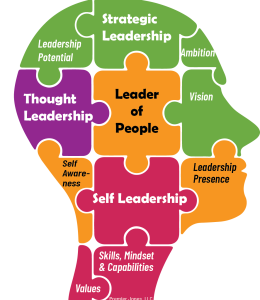
In this example (at left), I provided guidance to help enable a leader to evolve from a helper/enabler mindset to a lead/influence mindset.
Each team, individual, and situation is unique. A lack of knowledge in how to improve work circumstances can leave people feeling frustrated, powerless, and unmotivated. My mentor coaching sessions empower through targeted, personalized learning experiences. My clients find tremendous value in being able to elevate themselves to a growth and solutions-focused mindset, knowing what tools to apply and when to apply them, and converting observations into cues to that guide their next actions.
Each session is geared towards improving their work performance in a specific topic by exposing them to powerful tools, different approaches and perspectives, helping to build judgement on which strategies to apply and when, and expanding their repertoire of demonstrated skills and competencies.
- Responsibilities: Mentoring
- Target Audience: Employee with professional development needs/interests
- Tools Used: OneNote, Microsoft Teams, Microsoft Outlook
- Create a development plan (from drafting to alignment)
- Create learning objectives for each session
- Lay out a potential conversation flow with supportive content and exercises
- Host discussion and adapt planned lessons to mentees thoughts, experiences, and needs
- Provide mentee with follow-up and meeting notes to reinforce or assess learning
- Note coaching outcomes. Adapt and adjust content, style, and focus to maximize learner benefit.
- Individuals benefit from 1-1 attention. This enablers the mentor to adapt and adjust to the needs of the individual.
- Leadership mentoring cuts the fluff out of attending a course or formal program. Discussions are focused on targeted needs only. And the training reflects the needs and priorities of the organization. And, in my sessions, we dive in with making connections to prior knowledge first skipping lectures and bypassing preamble.
- Leadership mentoring assists with the building of soft skills. This is because rather than having a single block of time for training and then going back to work behind and seeking to catch up, mentoring is interwoven with work and mentees have the opportunity to practice the lessons learned on the job right away and then reflect back on what works for them.
- Leadership mentoring fosters organizational support. First, the training was arranged by the organization in support of his or her growth and development. Secondly, if the leader is struggling in an area, then their supervisor can also be guided on question prompts that will help to reinforce training. Finally, the supervisor can choose to be involved in assessing the leader on the job by giving them opportunities to shine.
During my career, I have amassed a wealth of insights and a powerful toolkit of techniques. Learning from experts, best practices, the experiences of others, and from my own experiences enables me to sidestep pitfalls and seek the most effective way forward. In addition, I am a thinker who is skilled in digesting concepts, theory, and information gained from reading, studying, and synthesizing knowledge. I am versatile, adaptive, and skilled in applying these insights to real life situations.
A highlight of my leadership mentoring is weekly reflections. These questions give the mentee the opportunity to internalize what they have learned and what did or didn’t work for them. The feedback also lets me know where the learner is in his or her thinking as well as how to steer follow-up conversations to maximize the outcomes and gains.
Leadership Coaching (ICF)
I coach and mentor leaders who are in transition, developmental, and growth trajectories. In these sessions, I use my talents and abilities to help enable others to tap into theirs. Professional Coaching is based on helping the leaders to tap into his own talents, strengths, and abilities.
To learn more about my coaching services, visit my coaching page and schedule a discovery conversation.
